
What We Do
Tackling Poverty Where It Starts
About KPA
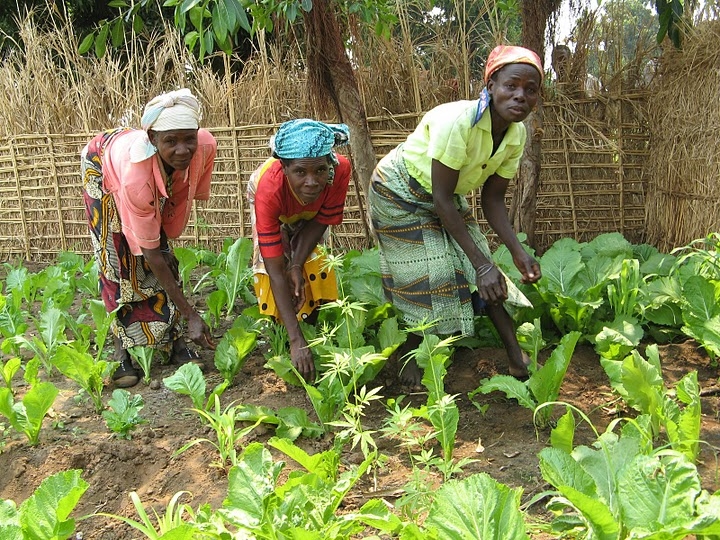
At Kenya Poverty Action (KPA), our work is focused on funding and scaling locally driven poverty alleviation projects in Kenya’s most underserved regions. We don’t apply one-size-fits-all solutions. Instead, we recognize that poverty is multidimensional — shaped by economic, social, and environmental inequities that intersect and reinforce one another.
Our interventions are structured around three primary thematic areas, each designed to address the foundational conditions that trap communities in cycles of poverty. Within these areas, we work with grassroots partners, community-led initiatives, and informal groups to co-create solutions that are context-relevant, sustainable, and scalable.
Our Mission
To eliminate poverty in all its forms across Kenya through sustainable solutions and empowerment.
Our Vision
A Kenya where every individual has access to resources, opportunities, and support to succeed and lead a dignified life.
Our Thematic Areas
1. Economic Justice & Livelihoods
Poverty is more than the absence of income — it’s the absence of opportunity. This theme focuses on equipping individuals and communities with the tools and capital they need to become economically self-reliant. Our support goes toward:
- Micro and small enterprise development
- Village savings and loan associations (VSLAs)
- Vocational and entrepreneurship training
- Agribusiness and cooperative strengthening
- Women and youth income-generating projects
Approach:
We invest in community-rooted economic ecosystems that prioritize local knowledge, shared ownership, and inclusive market access. KPA funds initiatives that strengthen value chains, reduce dependency, and improve household economic resilience over time.
2. Social Protection & Human Capital Development
Poverty often stems from systemic neglect — lack of access to quality education, basic health services, or social safety nets. Under this theme, we prioritize interventions that restore dignity and protect the fundamental rights of the most vulnerable.
Our work includes:
- Education access (especially for girls and children with disabilities)
- Health outreach, WASH (Water, Sanitation & Hygiene), and maternal care
- Psychosocial support and trauma recovery
- Menstrual health and dignity kits
- Community child protection systems
Approach:
We support low-cost, high-impact social interventions that build long-term human capital. KPA’s model includes multi-stakeholder collaboration, results-based funding, and adaptive learning from field innovations.
3. Climate Resilience & Environmental Equity
The climate crisis is deepening poverty in already fragile communities — drying rivers, killing crops, and displacing families. Under this theme, we support grassroots solutions that protect the environment while empowering communities to adapt and thrive.
Funded initiatives include:
- Regenerative agriculture and soil restoration
- Community-based climate adaptation planning
- Clean energy adoption (e.g., solar lighting, clean cookstoves)
- Reforestation and conservation programs
- Climate justice advocacy by local youth and women leaders
Approach:
We prioritize nature-based, people-centered solutions that balance livelihoods with sustainability. Our methodology integrates participatory vulnerability assessments, risk mapping, and climate-smart project design tailored to local realities.
Our Methodology: People-Powered Systems Change
We believe poverty is a structural problem — and solving it requires shifting power and resources to where they’re needed most. Our approach is built on three core pillars:
1. Community-Led Design
We fund ideas that originate from local actors — grassroots organizations, youth groups, women’s collectives, and informal networks. Every project we support is co-designed with the community it intends to serve.
2. Catalytic Funding
Our grants are designed to remove critical barriers that prevent good ideas from scaling. We offer flexible, low-barrier-to-entry funding that reaches even the most “unfundable” groups — including unregistered or informal movements doing transformative work.
3. Evidence-Based Impact
We embed basic monitoring and evaluation tools into all projects. From community scorecards to participatory mapping, we measure what matters and amplify what works. We use this data to inform scale-up, policy dialogue, and donor learning.
Why It Works
We’re not just filling gaps — we’re shifting systems. By trusting communities to lead, funding what traditional donors ignore, and focusing on root causes over symptoms, KPA is reimagining how poverty can be tackled—boldly, locally, and effectively.